
Jiu-Jitsu turns ordinary weeks into a steady practice of calmer decisions, stronger habits, and real confidence.
Most adults in Maplewood are already juggling a lot: commuting, family schedules, deadlines, and the general mental noise that comes with trying to do everything well. When you add the usual “I should work out” pressure, it’s easy to default to something familiar and mindless. We get it, and we see it all the time.
Jiu-Jitsu is different because it’s not just exercise you check off. It’s a skill you build. And because you train with real resistance, you can feel progress in a way that’s hard to fake. That’s why Jiu-Jitsu has become one of our favorite tools for everyday personal growth, especially for adults who want structure after work and a community that keeps things grounded.
If you’re curious but a little unsure, you’re in good company. Many of our adult students start with zero grappling background, mixed fitness levels, and the same questions: Is it safe? Will I be behind? How often do I need to train? Let’s make all of that practical and clear.
Why Jiu-Jitsu Creates Real Growth (Not Just a Workout)
Jiu-Jitsu rewards the exact habits most of us want more of in daily life: patience, problem-solving, and consistency. You can’t rush a good position, and you can’t “want” your way out of a bad one. You have to breathe, think, and improve one choice at a time.
That feedback loop is what makes training so personal. When something works, you know why. When it doesn’t, you can troubleshoot it with your partner and your coach, then try again. Over time, that turns into a calmer mindset outside the academy, too: fewer panic decisions, more intentional ones.
There’s also something powerful about learning to stay composed under pressure. Grappling is close-range and physical, sure, but it’s also mental. You’re learning how to stay present while your heart rate climbs. That skill carries into work conversations, stressful commutes, and moments where you’d normally tense up and shut down.
Why Maplewood Adults Stick With It
Maplewood has a very particular rhythm. Many of us commute, many of us plan our evenings around family or community commitments, and most of us want something close to home that feels worth the time. Jiu-Jitsu fits that lifestyle because it’s structured and repeatable: you show up, you learn a theme, you drill, you train, you leave a little better than you arrived.
Our class schedule is built around real lives, not fantasy ones. We keep training blocks across weekdays and Saturdays so you can build momentum without turning your week upside down. And because progress in Jiu-Jitsu comes from consistency more than intensity, you don’t need to “go hard” every session to improve. You just need to show up enough to keep the thread.
Community matters, too. Adults don’t always have many places where it’s normal to be new at something, laugh a little at mistakes, then get back to work. Here, that’s just Tuesday.
The Quiet Personal Growth Benefits You Notice First
People often come in for fitness or self-defense, but the first wins are usually smaller and more meaningful. You start sleeping better. You stop carrying as much stress in your shoulders. You notice you’re more patient with your kids or more focused at work. Those aren’t dramatic claims; they’re the kinds of changes that come from doing one challenging, healthy thing consistently.
Here are a few growth outcomes we see most often in Adult Jiu-Jitsu in Maplewood, NJ:
• Better emotional regulation when things get uncomfortable, because you practice staying calm while solving problems in real time
• Increased confidence that feels earned, since you’re building skill against resistance rather than guessing your progress
• Stronger discipline without burnout, because training has a clear structure and a natural sense of “today’s job”
• A healthier relationship with failure, since every round is a safe place to learn what didn’t work and adjust
• More physical capability in daily life, including grip strength, mobility, and core stability that shows up outside the gym
If you’ve ever wanted a self-improvement habit that doesn’t feel like another chore, Jiu-Jitsu can be that. It’s challenging, but it’s also oddly refreshing.
Jiu-Jitsu vs Typical Gym Workouts (And Why Both Feel Different)
A standard gym workout is great for general strength and conditioning, but it can be easy to coast. You can lift the same weights, run the same pace, and leave feeling “done” without ever needing to adapt. Jiu-Jitsu doesn’t let you autopilot in the same way.
In grappling, every partner is a moving puzzle. You’re constantly adjusting angles, timing, and balance. That means your brain and body train together. You’re building coordination, endurance, and strength, but you’re also building attention and decision-making.
And when you’re tired, the technique matters even more. That’s one reason modern Jiu-Jitsu is often described as smarter and more inclusive: efficiency wins. You learn to use leverage, frames, and positioning so you don’t have to rely on being the strongest person in the room.
What to Expect in Your First Class
The first class should feel welcoming, clear, and doable. We guide you through the room, the basic etiquette, and the day’s focus so you’re not guessing what’s happening. Most beginners are surprised by how technical it is, and also by how friendly training partners are when you’re new.
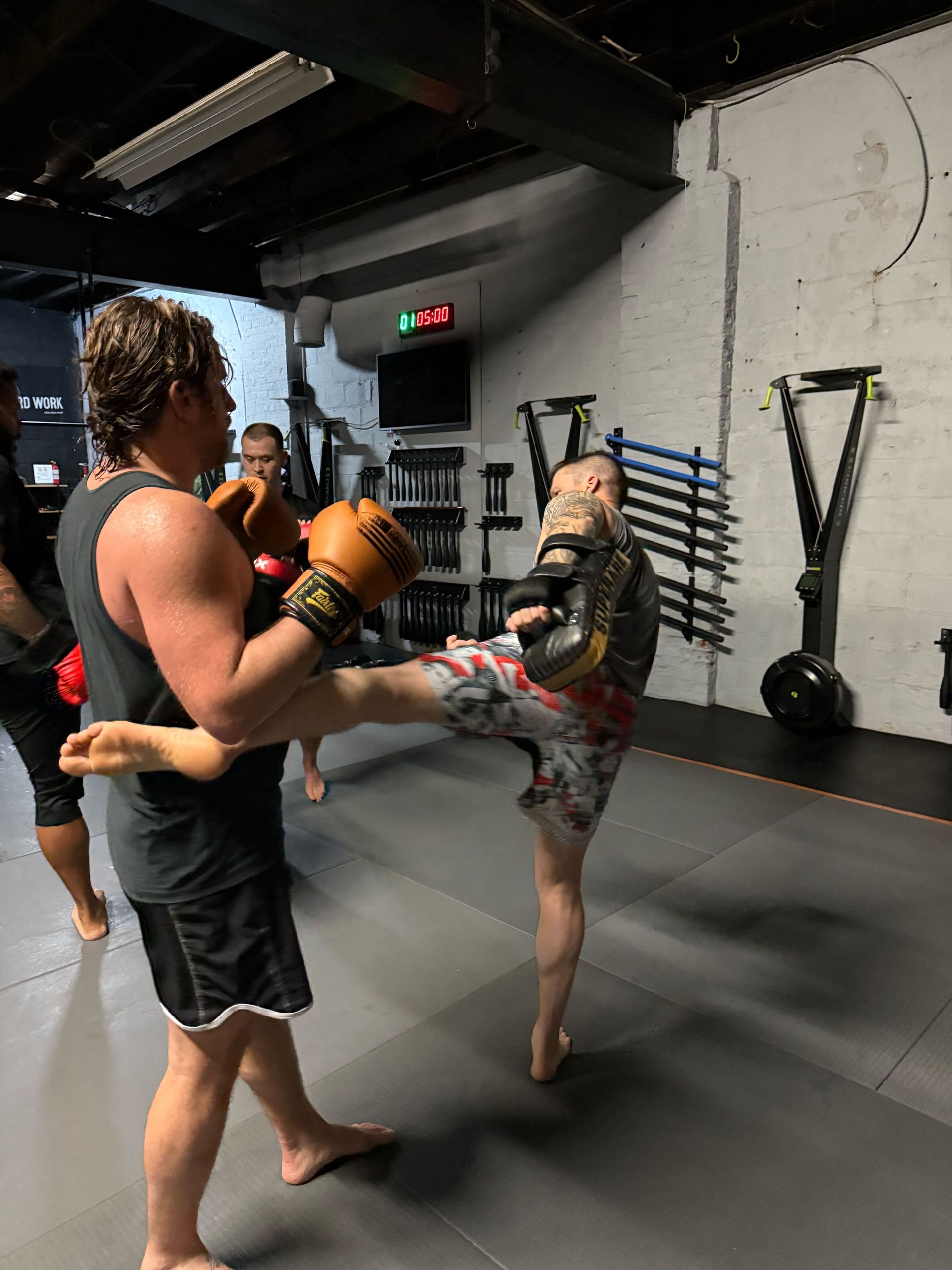
A typical session includes a warmup that supports movement quality, technique instruction with step-by-step details, drilling with a partner, and controlled live training. Live training can sound intimidating, but we scale intensity and help you choose appropriate rounds. You won’t be thrown into chaos without context.
If you’re wondering what to wear, keep it simple. For gi classes, you’ll want a gi once you commit, but you can start with what we recommend through the website. For no-gi, athletic clothing that’s fitted enough not to snag is ideal. Either way, we’ll help you get set up so you’re comfortable and safe.
Safety for Adult Beginners: How We Keep Training Sustainable
Safety is not an afterthought in Jiu-Jitsu. It’s part of the skill. We teach you how to tap early, how to apply control without cranking, and how to train with partners in a way that builds trust. The goal is steady improvement, not “winning” practice.
We also emphasize communication. If you have an old shoulder issue, tight hips, or you’re returning to fitness after time away, tell us. We’ll adjust. Jiu-Jitsu is scalable, and good coaching makes the difference between feeling beat up and feeling challenged in the right way.
It’s also worth noting that grappling is fundamentally about control. At high levels of competition, a large share of matches still end in submission, which tells you something important: position and patience matter. We build those habits from day one, and that approach supports safer training for adults.
How Often Should You Train to See Progress?
Consistency beats intensity almost every time. If you train once a week, you’ll learn, but progress will feel slower because you spend more time reloading basics. Two times a week is where most adults start noticing real momentum. Three times a week can be a sweet spot if your schedule allows and your recovery is good.
Here’s a practical way to think about it:
1. Start with 2 classes per week for the first month so your body adapts and you can absorb fundamentals
2. Add a third class when you feel recovery improve and you want faster skill retention
3. Keep one day as “lighter intensity” if you’re doing more live rounds, especially during busy work weeks
4. Reassess every 6 to 8 weeks based on energy, soreness, and schedule, not guilt
5. Stay consistent through small disruptions, because returning quickly matters more than being perfect
We’d rather you train at a sustainable pace for a year than go too hard for three weeks and disappear.
Gi or No-Gi: What’s Better for Beginners?
Both are excellent, and both teach you core Jiu-Jitsu principles: base, posture, pressure, and timing. Gi training adds grips and a slightly slower pace, which can be great for learning control and step-by-step problem-solving. No-gi tends to be faster and more movement-heavy, and it teaches you to manage distance and scrambling without relying on fabric grips.
If your goal is personal growth and practical skill, you don’t need to overthink this at the start. We’ll help you choose classes that match your comfort level, and many adults end up enjoying both styles because each one highlights different parts of the same game.
Self-Defense, Fitness, or Competition: What Is Jiu-Jitsu Mainly For?
Jiu-Jitsu can serve all three, but your training focus should match your life. For most adults in Maplewood, the best outcome is a blend: practical skill, real fitness, and a steady mental reset.
Self-defense is about awareness, posture, control, and staying composed. Fitness is a natural byproduct because grappling is full-body and demanding. Competition is optional. If you want to test yourself in that environment, we’ll support you with preparation that makes sense, but it’s not a requirement for belonging or progressing.
In fact, one of the most encouraging trends in the sport is how inclusive it’s becoming. More women are showing up and competing at high levels, and more adults are starting later in life and sticking with it because technique rewards long-term learning. That’s good for everyone, because it keeps the room diverse and the training culture healthy.
Grappling Arts Maplewood: Why This Training Feels So Relevant Here
When people search for Grappling Arts Maplewood, what they often want is something real. Not performative fitness. Not vague “get in shape” promises. They want a practice that makes them more capable and more resilient.
We build that through small, repeatable lessons: how to escape, how to control, how to hold position without burning out, and how to think one step ahead. Those lessons stack. And after a few months, you’ll notice that your posture changes, your breathing changes, and even your attitude toward hard things changes. You stop bracing for discomfort and start working through it.
That’s personal growth you can use anywhere, whether you’re walking through a parking lot at night, navigating a tense meeting, or just trying to show up more consistently for your own goals.
Take the Next Step
If you’re ready for a practice that builds strength, patience, and confidence in a way you can actually feel, we’d love to help you start. Our approach keeps Jiu-Jitsu beginner-friendly while still being technical, challenging, and worth your time, especially if you’re training around a Maplewood schedule.
At Bodega Jiu-Jitsu, we keep the focus on steady improvement, safe training, and a community you’ll recognize quickly once you step on the mats. If you want Adult Jiu-Jitsu in Maplewood, NJ that supports real everyday growth, we’re here to guide you from day one.
Put these techniques into action by joining a grappling program at Bodega Jiu Jitsu.